


 Performance & SEO
 Release tracker
AI for ecommerce: where it pays off on Adobe Commerce
AI can improve search, recommendations, product content, customer service and how AI shopping agents find you. We help you pick the use cases that pay off and build them properly.
Plan your AI roadmapWhat’s includedFree · No obligation · Reply within one business day
- Search, recommendations and product content
- Chat assistants and AI shopping agents
- Adobe-native, third-party or custom
Stores we have built and run
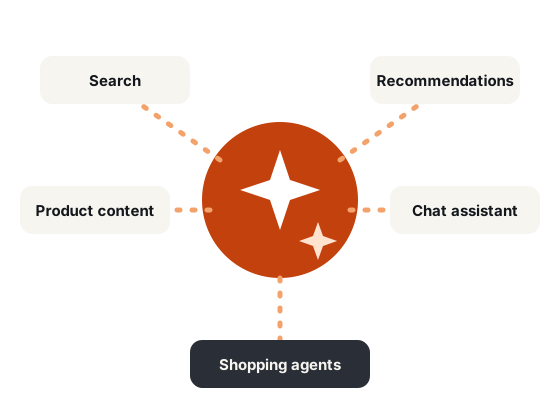
AI for ecommerce is useful when it is tied to a clear job: helping shoppers find products, recommending the right next item, writing and enriching product data, answering questions, and making your catalog readable for AI shopping agents. On Adobe Commerce, several of these start with services Adobe already provides.
An AI roadmap in three steps
Each step builds on the one before. Most stores should not skip the first.
 1. DataComplete attributes, clean categories, accurate prices and stock.
 2. DiscoveryBetter site search and recommendations on that data.
 3. Assistants & agentsChat assistants and AI shopping agents that can trust your catalog.
Why it matters
Where AI moves the numbers you care about
 Use cases firstStart from a business problem and a metric, not from a tool.
 Adobe-native firstUse what your Adobe Commerce licence already includes before adding new tools.
 Custom where it countsBuild with App Builder, APIs or MCP only where it sets you apart.
AI use-case matrix
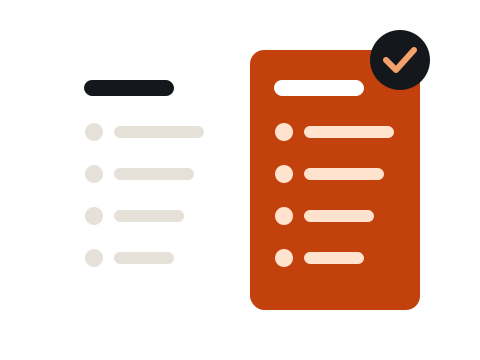
| Use case | Adobe option | Effort |
|---|---|---|
| Site search | Live Search | Low |
| Recommendations | Product Recommendations | Low |
| Product content | AI enrichment + review | Medium |
| Chat assistant | Brand Concierge or custom | Medium |
| Shopping agents | Commerce MCP, UCP and ACP | Medium–high |
Which Adobe AI services you can use depends on your edition, licence and region. Magento Open Source stores can use third-party or custom options instead.
How it works
What’s included
AI site searchTypo-tolerant, faceted search such as Adobe Live Search.

RecommendationsProduct suggestions such as Adobe Product Recommendations.

Product contentEnriched attributes and descriptions, reviewed by people.
Chat assistantsAnswer product and order questions on your store.

Shopping agentsLet AI assistants read your catalog and complete orders.

Team & developer AIAutomate admin tasks, reporting and code work.
Where to start
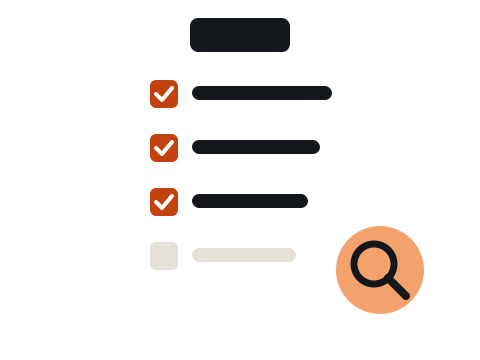
- Fix product data first: every AI feature depends on it
- Pick one use case with a clear metric
- Measure before and after on real traffic
- Keep a person in the loop for anything customers see
Is this right for you?
A good fit if- Shoppers struggle to find products with on-site search
- Your catalog has missing attributes or thin descriptions
- Support answers the same product questions every day
- You want to prepare for AI shopping agents
 Probably not the right fit if
- Your product data is in poor shape and nobody owns it: fix the data first
- You want AI because competitors have it, without a metric to improve
What you receive- Use-case shortlist with expected impact
- Data readiness check
- Implementation of one or two use cases
- Before and after measurement
How it works
You see the findings, the scope and the price before any code changes.
- AuditWe review code, extensions, hosting and speed.
 Plan & priceA fixed scope and price, or a retainer.
 Build on stagingTested on a copy of your store, never live.
 Launch & supportA planned release, rollback ready, then monitoring.
For your technical team
How we build it
The stack, standards and handover your developers can expect.
Adobe-native- Live Search and Product Recommendations
- Edition, licence and region eligibility checked
- Configured and tested on staging first
Custom builds- App Builder apps and Commerce APIs
- MCP for agent access to catalog and orders
- Third-party options for Open Source stores
 Data & control
- Customer data kept out of prompts unless you approve
- A person reviews anything customers see
- Each metric measured before and after
Related guides
In-depth articles from the Mistri blog.
Questions before you book
Frequently asked questions
What is the best first AI project for an online store?
Usually site search or product data. Both are quick to measure, and better product data also improves recommendations, SEO and visibility to AI shopping agents.
Do I need Adobe Commerce, or does Magento Open Source work?
Several Adobe AI services, such as Live Search and Product Recommendations, are part of Adobe Commerce. Open Source stores can use third-party or custom options for the same use cases.
How do we measure whether AI is working?
With the metric the use case is meant to move, for example search conversion, revenue from recommendations, time saved on catalog work or support tickets resolved.
Will AI-generated content hurt our SEO?
Google judges content by quality and usefulness, not by how it was produced. Accurate content reviewed by people is what matters.
Is customer data sent to AI tools?
Only when a use case needs it and the tool’s data terms allow it. We prefer approaches that keep personal data out of prompts.
Do we need a data science team?
No. Most use cases build on existing services and your store data. You need one person who owns the metric and approves what customers see.
Can we switch an AI feature off if it does not work?
Yes. Each feature is released with a rollback path and measured against its metric, so it can be removed if it does not earn its place.
Related services
Agentic commerceGet ready for AI shopping agents: MCP, UCP and ACP.Learn more →AI product contentCatalog enrichment, feeds and virtual try-on.Learn more →Magento SEOTechnical SEO fixed in the platform itself.Learn more → Our portfolioAdobe Commerce stores and web projects we have built.See the work →

Not sure where AI fits?
Book a short call. We will suggest the two or three use cases with the best return for your store.
Book a free audit call
Free · No obligation · Reply within one business day